
4G/5G Industrial Cellular Modems Routers Gateways M2M IoT
-

R3000 Lite 4G Router
View Product -

R3000 Quad 4G Router
View Product -

RUT241 2 Ethernet port Router with Wi-Fi
View Product -

RUT360 4G Router
View Product -

RUT956 4 Ethernet port Router with Wi-Fi, serial ports, Dual SIM, and GPS functionality
View Product -

RUTX09 Cat6 Router with Dual SIM
View Product -

RUTX11 Industrial Cellular Router
View Product -

RUTX50 5G Router
View Product -
SafeGuard Proximity Detection and Control
View Product -

TRB140 1 Ethernet port Gateway
View Product -

UR32 4G Router
View Product -
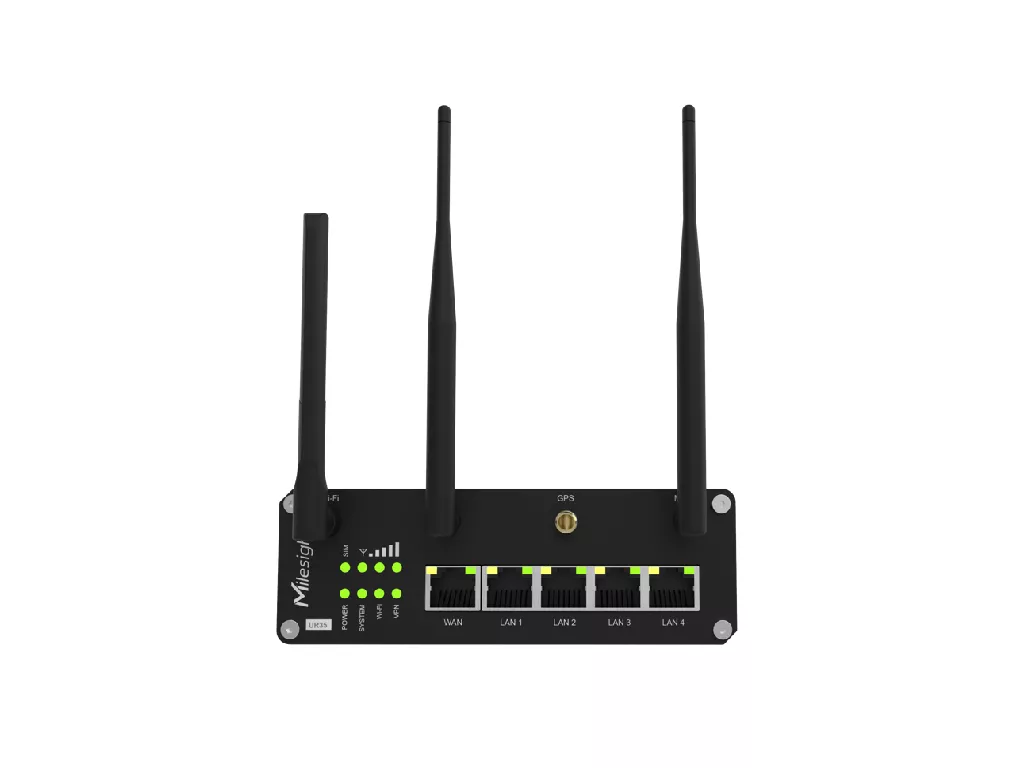
UR35 4G Router
View Product
Industrial Cellular Products for M2M and IoT Connectivity
Industrial cellular devices connect machines, controllers, sensors and other equipment to local networks or remote systems through mobile data connections. The right device depends on what you need to connect and how data must move between your equipment and its destination.
Browse the available product categories to compare devices by manufacturer, connectivity and application.
Industrial Cellular Modems
Industrial cellular modems provide a mobile data connection for compatible equipment or network infrastructure. They are suitable for applications where an existing device or host system manages much of the network configuration and the modem supplies cellular connectivity.
Check the modem's supported cellular standards, interfaces, driver or host requirements and carrier compatibility before selection.
Industrial Cellular Routers
Industrial cellular routers connect local equipment or networks to a mobile data service. Depending on the model, they may include Ethernet ports, Wi-Fi, dual-SIM capability, VPN functions, serial interfaces and remote management.
They can be used for remote monitoring, industrial network access, backup connectivity and connecting equipment at sites where fixed-line broadband is unavailable or impractical.
Industrial IoT and M2M Gateways
Industrial IoT and M2M gateways connect field devices to remote applications, control systems or cloud platforms. Based on the model, they may support serial interfaces, digital inputs and outputs, industrial communication protocols or data conversion functions.
Check the required protocols and interfaces carefully if you are connecting equipment such as PLCs, meters, sensors or existing industrial controllers.
Explore Industrial Cellular Brands
JEA Technologies lists industrial cellular products from four manufacturers. Browse the relevant category to compare available models and their published specifications.
- Milesight: Explore industrial 4G and 5G modems and routers.
- Robustel: Compare industrial cellular routers, modems and gateways for M2M and IoT applications.
- Teltonika: Explore industrial cellular routers and gateways, including models with advanced networking and remote management features.
- Yifan: Compare industrial 4G and 5G cellular routers and modems.
Product capabilities vary by model. Consult the individual product page and datasheet to confirm supported networks, interfaces, security features and environmental specifications.
4G LTE vs 5G for Industrial Connectivity
The choice between 4G LTE and 5G depends on application requirements, network availability, data volume and the expected service life of the installation.
4G LTE can suit telemetry, remote monitoring, equipment access and applications with moderate data requirements. It may be an appropriate option where compatible LTE coverage is available and the required throughput is within the device's capabilities.
5G can suit applications requiring higher data throughput or specific performance characteristics supported by the available network. It may be useful for data-intensive monitoring, connected equipment and sites that need greater communications capacity.
Before choosing either option, confirm local coverage, supported frequency bands, carrier requirements and any restrictions affecting the installation site. A 5G device should not be selected on speed claims alone if the required service is unavailable at the deployment location.
Key Specifications to Compare
Compare the following features before choosing an industrial cellular modem, router or gateway.
| Specification | What to check | Why it matters |
|---|---|---|
| Cellular technology | 4G LTE, 5G and any other supported standards | Determines network compatibility and potential performance |
| Frequency bands | Supported LTE and 5G bands | Helps confirm compatibility with the intended Australian carrier |
| SIM configuration | Single SIM, dual SIM or supported eSIM options | Affects provisioning and possible connectivity redundancy |
| Ethernet | Port count and supported speeds | Determines how wired equipment connects |
| Serial interfaces | RS232, RS485 or other required interfaces | Supports compatible legacy equipment and field devices |
| Wi-Fi | Availability, standard and operating modes | Helps connect local wireless devices where required |
| VPN and security | Supported VPN protocols, firewall and access controls | Helps protect remote connections and restrict network access |
| Industrial protocols | Required protocols such as Modbus or other supported interfaces | Determines whether the device fits the existing control architecture |
| Remote management | Local interface, central management platform and update options | Affects maintenance across distributed installations |
| Power and mounting | Input voltage, DIN-rail or other mounting options | Determines installation suitability |
| Environmental rating | Operating temperature, enclosure rating and other documented limits | Helps assess suitability for the installation environment |
Not every device supports every feature. Confirm specifications against the individual model's datasheet rather than assuming category-wide compatibility.
Industrial Cellular Connectivity Applications
Industrial cellular devices can support different connectivity requirements across industrial and commercial environments. Device selection should reflect the equipment, data flows, network conditions and operational risks of each application.
Utilities and Infrastructure
Cellular connectivity can link compatible meters, monitoring devices, control equipment and remote infrastructure to central systems. Applications may include telemetry, equipment status reporting and remote access to distributed sites.
Where industrial protocols or control-system integration are required, confirm the device's supported interfaces and protocols before deployment.
Mining and Natural Resources
Remote industrial sites may require connectivity for equipment monitoring, telemetry and communications between field assets and central systems. Selection should consider coverage at the actual site, environmental conditions, power availability and the need for secure remote access.
Manufacturing and Industrial Automation
Cellular routers and gateways can connect compatible controllers, sensors and industrial equipment to monitoring platforms or remote engineering systems. Interface compatibility, network segmentation and security requirements should be assessed as part of the design.
Transport, Logistics and Distributed Assets
Cellular devices can support connectivity for distributed equipment, monitoring systems and connected assets. Where devices operate across multiple locations, remote management and a suitable network redundancy strategy may reduce the need for on-site intervention.
Remote Monitoring and IoT
M2M and IoT applications use cellular connectivity to transfer information from machines and sensors to remote systems. The required bandwidth, transmission frequency, latency and data usage should guide the choice of device and mobile service.
How to Select an Industrial Cellular Device
Use these steps to narrow down the options for your project.
- Define the application. Identify the equipment to connect, the information being transferred and the destination system.
- Check cellular coverage. Confirm the available network technology and supported frequency bands at the installation site.
- List the required interfaces. Document Ethernet, serial, Wi-Fi, digital I/O and protocol requirements.
- Assess security requirements. Identify VPN, firewall, authentication, network separation and remote-access needs.
- Review installation constraints. Confirm power input, mounting, operating temperature and environmental requirements.
- Plan ongoing management. Consider firmware updates, configuration changes, monitoring and support across all deployed devices.
- Compare the relevant models. Use the manufacturer's datasheet to confirm that each shortlisted device meets the requirements.
Find a Cellular Solution That Fits Your Application
Need reliable connectivity for your industrial equipment or remote operations? JEA Technologies offers industrial cellular modems, routers and IoT gateways from Milesight, Robustel, Teltonika and Yifan to suit a range of connectivity requirements.
Tell us about your application, preferred cellular technology, required interfaces and installation environment. Our team can help you explore suitable products for your project. Get quotation today.
Frequently Asked Questions
What is the difference between an industrial cellular modem and a router?
A cellular modem provides the cellular data connection for compatible equipment or a host system. A cellular router manages network traffic between the cellular connection and connected devices or networks. The functions can overlap in integrated products, so check the architecture and interfaces of the specific model.
What is the difference between a cellular router and an IoT gateway?
A cellular router primarily provides network connectivity and routing. An IoT gateway may also connect different device interfaces or protocols and, where supported, process or forward data between field equipment and remote platforms. Some products combine both functions.
Should I choose a 4G or 5G industrial router?
Choose based on required data throughput, application performance, available coverage, frequency-band compatibility and lifecycle requirements. A 4G device may be sufficient for routine telemetry, while 5G may suit applications with higher data demands where suitable coverage is available.
Will these industrial routers work with Australian mobile networks?
Compatibility depends on the exact model, supported frequency bands, carrier requirements, SIM provisioning and coverage at the installation site. Verify these details with the relevant carrier and the device documentation before ordering.
Can an industrial cellular router connect to a PLC or SCADA system?
Potentially, yes. The required configuration depends on the PLC or SCADA architecture, network design, protocols, interfaces and security controls. Confirm support for the specific protocol and connection method before selecting a device.
Do industrial cellular routers support dual SIM?
Some models support dual SIM, but the available functions vary. Check whether the device supports automatic SIM switching, failover conditions, carrier combinations and any required configuration. Dual SIM alone does not guarantee uninterrupted connectivity.
Can industrial cellular devices be managed remotely?
Some models provide remote configuration, monitoring, diagnostics and firmware updates through a web interface or central management platform. Check the management capabilities, licensing requirements, security controls and compatibility with your deployment.
How do I choose a cellular device for a remote site?
Start by confirming cellular coverage, supported bands, required data rates, power availability, environmental limits and the interfaces used by the field equipment. Consider external antenna requirements, secure remote access and how the device will be monitored and maintained.
How can I compare industrial cellular router specifications?
Review the datasheets for cellular bands, throughput, SIM configuration, Ethernet and serial interfaces, VPN support, industrial protocols, power requirements, environmental ratings and management functions. Compare these specifications against the actual application rather than relying on the product name alone.